
Your Cart
Total : £0.00

If you’re new to the world of quilting, you’ve probably heard the terms patchwork and quilting used as though they mean exactly the same thing. Even experienced sewists often use them interchangeably in everyday conversation. While the two techniques are closely connected, they are actually different parts of the quilt-making process.
Understanding the difference between patchwork and quilting can help you build confidence in your sewing journey, especially if you’re just starting out. It can also make choosing fabrics, tools, patterns, and techniques much easier as your skills develop.
Whether you dream of creating colourful patchwork cushions, handmade quilts as gifts for friends or loved ones, or even quilts to sell, learning the basics of patchwork and quilting is the perfect place to begin.
Patchwork and quilting are often grouped together because they are both essential parts of traditional quilt making. In fact, most quilts use both techniques together, which is why the terms have become so closely linked over time. However, they are not actually the same thing.
Patchwork focuses on piecing smaller sections of fabric together to create a larger design, while quilting refers to stitching layers of fabric together to create the finished quilted item.
You can create patchwork projects without quilting them at all, and you can also quilt fabric without using patchwork. For example, a decorative cushion made from stitched fabric squares is patchwork, even if no quilting is involved. Equally, a single piece of plain fabric can be quilted with decorative stitching patterns without any patchwork piecing whatsoever.
The easiest way to think about it is this:
Once you understand that distinction, the whole process becomes much easier to follow.
Patchwork is the process of sewing smaller pieces of fabric together to create a larger fabric design. These pieces are commonly called patches or quilt blocks and are usually cut into shapes such as squares, triangles, diamonds, or hexagons.
The real beauty of patchwork lies in the endless design possibilities. By arranging fabrics in different colours, prints, and shapes, quilters are able to create everything from simple geometric layouts to highly detailed artistic patterns.
Patchwork has been used for centuries and originally developed as a practical way to use leftover scraps of fabric. Over time, it has evolved into a highly respected craft form that combines creativity, precision, and storytelling through fabric.
Today, patchwork remains one of the most enjoyable parts of quilt making for many sewists. Choosing fabrics, planning colour combinations, and arranging blocks allows quilters to create something truly personal and unique.
Popular patchwork projects include:
One of the reasons patchwork is so popular is that it works beautifully for all people of all experience levels. Beginners can start with simple square blocks, while more advanced quilters may experiment with intricate designs such as foundation paper piecing or English paper piecing.
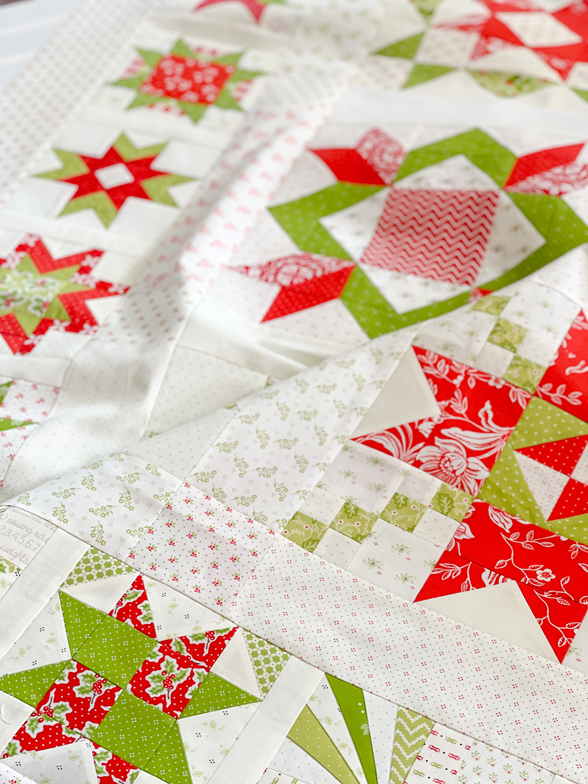
While patchwork focuses on assembling fabric pieces, quilting is the process of stitching layers together to create the finished quilt.
A traditional quilt is usually made up of three layers:
These three layers are often referred to as a quilt sandwich. Quilting is the stitching that holds all these layers together securely. This stitching can be simple or highly decorative depending on the style and finish you want to achieve.
Some quilters prefer straight-line quilting for a clean and modern look, while others enjoy free-motion quilting, which allows for more artistic and flowing stitched designs. Popular quilting styles include loops, feathers, swirls, floral patterns, and geometric designs.
Quilting serves both a practical and decorative purpose. The stitching prevents the inner wadding from shifting while also adding texture and detail to the finished quilt.
Interestingly, quilting can exist without patchwork. Some quilts use one solid piece of fabric for the quilt top and rely entirely on the quilting stitches themselves to create visual interest and texture.
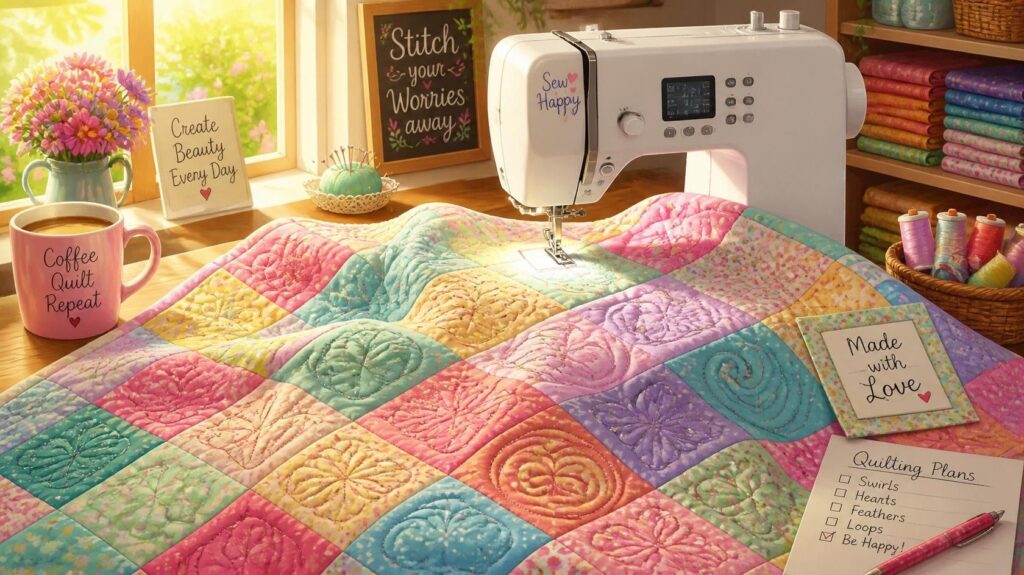
Although patchwork and quilting are technically different techniques, they work together beautifully in most quilt-making projects. The patchwork stage is where the design is created. This is where colours, prints, and patterns come together to form the quilt top.
The quilting stage then transforms that quilt top into a finished quilt by stitching all the layers together. Without quilting, the layers would separate and the quilt would lack structure and durability.
You can think of patchwork as the planning and construction stage, while quilting is the finishing process that brings everything together.
Both techniques require patience and creativity, but they each offer their own type of satisfaction. Some people love the precise piecing involved in patchwork, while others prefer the flowing creativity of quilting stitches.
Choosing the right fabric makes a huge difference to the success of any quilting project. Most quilters prefer using 100% cotton quilting fabric, often referred to as quilting cotton.
Quilting cotton is specially designed for patchwork and quilting projects. It is durable, easy to sew, presses well, and holds its shape beautifully. These qualities make it ideal for precise cutting and stitching.
Premium quilting cottons are available in a huge range of colours, prints, and themes, from floral fabrics and modern geometrics to festive Christmas Fabrics and Halloween collections.
Many quilters enjoy working with fabrics from well-known quilting brands such as Moda, Lewis and Irene, Riley Blake, Benartex, Makower, and Timeless Treasures Fabrics because of their reliable quality and coordinated collections.
If you’ve spent any time browsing quilting fabrics, you’ve probably come across fat quarters.
A fat quarter is a cut of fabric specifically designed to make patchwork easier and more practical. Instead of a long narrow strip, a fat quarter gives you a more usable rectangular shape, making it perfect for cutting quilt blocks and smaller pattern pieces.
Fat quarter bundles are especially popular because they contain coordinated fabrics that work beautifully together. This saves time choosing matching prints and helps beginners feel more confident when starting a project.
For experienced quilters, fat quarter bundles are also a great way to experiment with new colour palettes and fabric collections
This is one of the most common questions beginners ask, but the answer depends entirely on personal preference. Some people find patchwork more challenging because it requires accuracy and careful measuring. Others feel quilting takes longer because of the physical process of stitching multiple layers together. The good news is that both skills improve quickly with practice.
Starting with beginner-friendly quilting kits or simple patchwork patterns is often the best way to build confidence without feeling overwhelmed. Remember, every experienced quilter started as a beginner at some point.
So, what’s the difference between patchwork and quilting?
Put simply, patchwork is the process of sewing smaller fabric pieces together to create a design, while quilting is the stitching that joins layers together to create the finished quilt.
Although they are different techniques, they work hand in hand to create beautiful quilts and sewing projects that can last for generations.
Whether you enjoy the careful construction of patchwork blocks or the decorative artistry of quilting stitches, both crafts offer endless opportunities for creativity, relaxation, and self-expression. From complete beginners to experienced makers, quilting is a hobby that continues to inspire people around the world, one stitch at a time.