
Your Cart
Total : £0.00

One of the most exciting parts of quilting is choosing fabric. From soft florals and bold modern prints to cosy flannels and timeless cottons, the fabric you select helps bring your creative vision to life. But with so many fabric options available, knowing which type is best for quilting can sometimes feel overwhelming, especially for beginners.
The truth is that choosing the right fabric can make a huge difference to how your quilt looks, feels, and lasts over time. Fabric affects everything from cutting and sewing accuracy to the overall drape, softness, and durability of the finished quilt.
Whether you’re starting your very first patchwork project, creating quilts for family and friends, or producing handmade quilts to sell, understanding fabric types is an important part of becoming a confident quilter.
In this guide, we’ll explore the most popular quilting fabrics, explain how different materials behave, and share practical tips to help you choose the best fabric for your next quilting project.
When people first begin quilting, they often focus mainly on colours and patterns, but the type and quality of fabric are just as important. Different fabrics behave differently when sewn, pressed, washed, and quilted, with some offering far better stability and durability than others.
Using fabrics designed specifically for quilting helps make the process easier and more enjoyable. High-quality quilting cotton is easier to cut accurately, sew neatly, and press flat, helping quilt blocks line up more precisely. It also offers better durability and more consistent shrinkage after washing, helping quilts keep their shape and appearance over time. Choosing the right fabric can make a noticeable difference to both the finished result and the overall quilting experience, particularly for beginners building confidence and skills.
When it comes to quilting, 100% cotton quilting fabric still remains the most popular and widely recommended choice.
Quilting cotton is specially designed for patchwork and quilting projects. It is durable, breathable, stable, and easy to work with, making it suitable for both beginners and experienced quilters alike. One of the reasons quilters love cotton is that it presses beautifully and holds its shape well, which is especially important when sewing accurate seams and matching quilt blocks.
One of the biggest advantages of cotton quilting fabric is the huge variety available, with countless colours, prints, seasonal collections, themed designs, and designer ranges to suit every quilting style and project.
From traditional florals to modern geometric prints, there’s truly something for every style of quilt. High-quality quilting cottons from brands such as Moda Fabric, Lewis and Irene, Riley Blake, Makower, Benartex Fabric, Northcott, and Timeless Treasures are particularly popular because of their consistency and colour quality.
You may sometimes hear quilters discussing thread count when talking about fabric quality.
Thread count refers to the number of threads woven into the fabric. In general, higher thread count quilting cotton tends to feel softer, smoother, and more durable.
Premium quilting fabrics usually have tighter weaves, which makes them easier to cut accurately and less likely to fray excessively during sewing. This is one reason many experienced quilters prefer investing in high-quality quilting cotton, especially for quilts that will be used regularly or washed frequently.
Unbleached cotton is cotton fabric that has not undergone chemical whitening processes. Instead of bright white fabric, unbleached cotton retains its natural cream or light beige tone and may contain tiny flecks from the cotton plant itself.
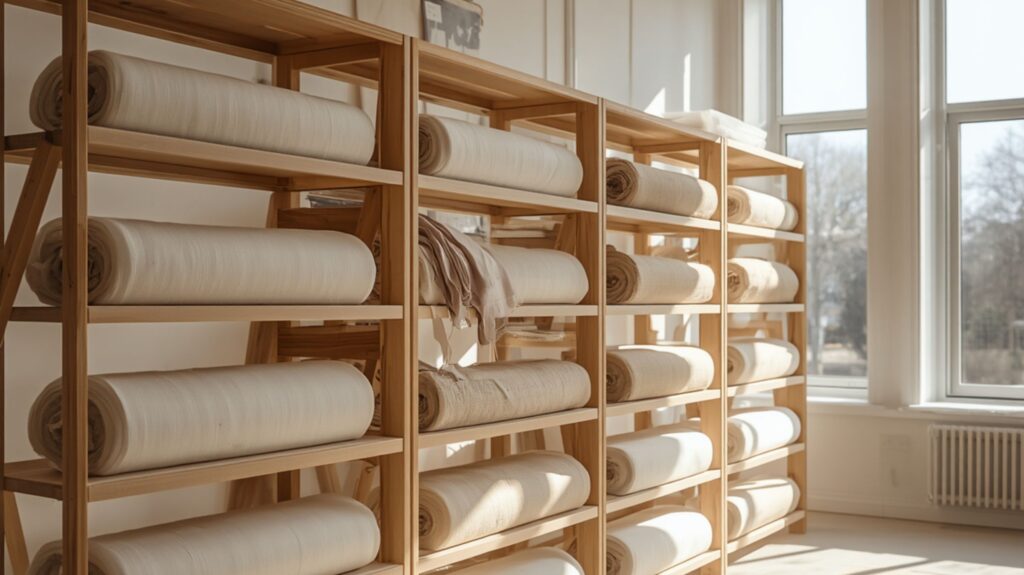
Many quilters love unbleached cotton because it has a softer, more organic appearance that works beautifully in rustic, vintage, and natural-style quilting projects. It’s also often considered a more environmentally conscious option because fewer chemicals are used during processing.
Some fabric manufacturers, including modern quilting brands, use unbleached cotton bases to give prints additional warmth and texture.
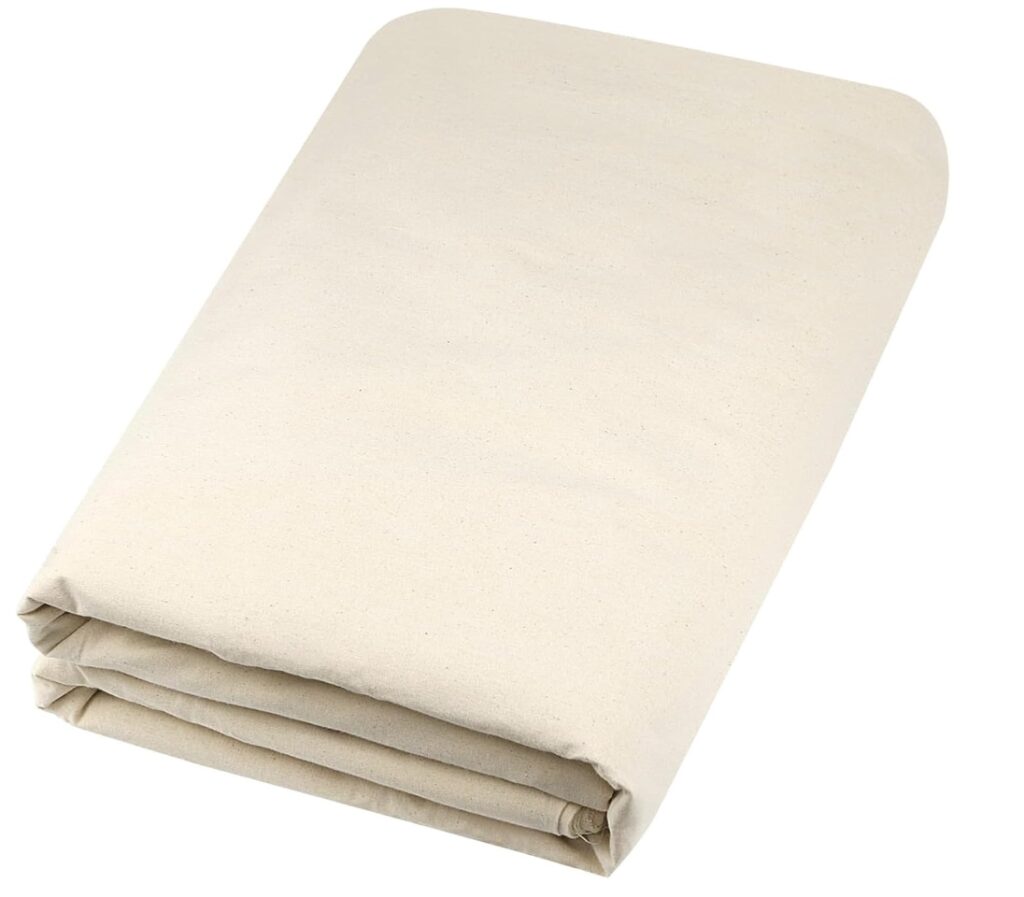
As sustainability becomes increasingly important, many quilters are exploring organic cotton fabrics. Organic cotton is grown using farming methods that minimise harmful chemicals, pesticides, and synthetic fertilisers. These fabrics are often softer and can be an excellent choice for baby quilts, bedding, and projects designed for sensitive skin.
Many quilters appreciate organic cotton not only for environmental reasons but also because it often has a beautiful natural texture and feel. When shopping
for organic fabrics, certifications such as GOTS (Global Organic Textile Standard) can help identify products produced using environmentally responsible methods.
You may also come across fabrics labelled as OEKO-TEX Standard 100 certified.
This certification means the fabric has been tested for harmful substances and meets strict safety standards. Many quilters like the reassurance this provides, particularly when creating quilts for babies, children, or sensitive skin.
OEKO-TEX certification also reflects growing awareness within the textile industry around sustainability and responsible manufacturing practices.
Sateen cotton is another fabric type often used in quilting, particularly for quilt backings.
Unlike standard quilting cotton, sateen has a softer, smoother surface with a subtle sheen. It feels luxurious and drapes beautifully, making it ideal for larger quilts and bedding projects.
Many extra-wide quilt backings are made from sateen cotton because the wider width reduces the nee
d for seams across the back of the quilt. For quilters creating bed quilts or heirloom projects, sateen backings can add an extra touch of softness and comfort.
Flannel is a soft brushed cotton fabric commonly used in cosy quilts, especially during autumn and winter.
Because flannel has a fuzzy texture, it creates warmth and softness that makes it ideal for:
Flannel quilts feel wonderfully cosy, although they can pill slightly more over time than standard quilting cottons. Many quilters still love working with flannel because of the warmth and texture it adds to finished projects.
Although batting, often called wadding in the UK, is not part of the quilt top itself, it is an essential layer that provides warmth, softness, and structure to a quilt. Popular options include cotton, bamboo, wool, and cotton blend batting, each offering different levels of loft, texture, and warmth. Cotton batting creates a flatter, more traditional finish, while bamboo is valued for being lightweight and breathable. Choosing the right batting depends on the overall look, feel, and practicality you want your finished quilt to have.
Fabric weight plays an important role in quilting because it affects the drape, feel, and structure of the finished project. Most quilting cotton falls into the lightweight to medium-weight category, which is ideal for patchwork and piecing.
Heavier fabrics such as canvas or denim can be more difficult to quilt and are usually better suited for bags, cushions, aprons, and home décor projects rather than traditional quilts.
Using fabrics with similar weights throughout a quilt helps ensure consistent sewing and reduces distortion during quilting.
Once you’ve chosen the right fabric type, selecting colours and patterns is where creativity really comes into play. It’s important to consider the overall style and purpose of the quilt, along with colour balance and contrast. Detailed quilt patterns often work best with smaller or simpler prints, while simpler layouts can showcase bolder statement fabrics. Mixing large, medium, and smaller-scale prints also helps create a more balanced and visually interesting finished quilt.
Before purchasing fabric for your project, it’s always worth considering a few practical factors.
A decorative wall hanging may not need the same durability as a bed quilt that will be washed frequently.
Most quilting cotton shrinks slightly after washing, so having extra fabric can prevent frustration later.
Whenever possible, feeling fabric in person helps you understand its softness, weight, and texture. However, reputable quilting shops can often provide additional photos, descriptions, or advice when shopping online.
Combining solids, florals, geometrics, and blender fabrics can create stunning visual effects when balanced thoughtfully.
Different quilting projects may benefit from different fabric choices.
100% cotton quilting fabric is usually the best choice because it is durable, breathable, and easy to wash.
Panel fabrics and detailed prints work beautifully for decorative quilted wall art.
Soft cottons, flannels, and organic fabrics are all excellent options for baby projects.
Decorative quilts allow more creative freedom and can incorporate bold prints, textured fabrics, or even denim accents for a more rustic look.
Understanding fabric types is one of the most valuable skills any quilter can develop. The right fabric not only improves the appearance of your quilt but also makes the entire quilting process more enjoyable and rewarding.
From versatile quilting cotton and cosy flannel to luxurious sateen and eco-friendly organic fabrics, each material brings its own unique qualities to a project. By learning how different fabrics behave, you can make more confident decisions and create quilts that look beautiful and stand the test of time.
At Suki Loves to Sew, we always stock a wide range of top-quality quilting fabrics in a variety of colours, prints, and styles to suit every type of project. Whether you’re a complete beginner or an experienced quilter, you’ll find premium fabrics, patterns, threads, rulers, templates, and quilting essentials to help bring your ideas to life. Be sure to explore our website for inspiration and discover everything you need for your next quilting project.